Why Valentine's Day and Dating Apps May Be Harming Your Mental Health
Valentine's Day is approaching, and while retailers stock up on roses and chocolates, many singles are battling something far darker: isolation, dread, and complete burnout. Science suggests the digital tools we've turned to for connection might be the very things making us feel more alone.
The Hidden Cost of Swiping Right
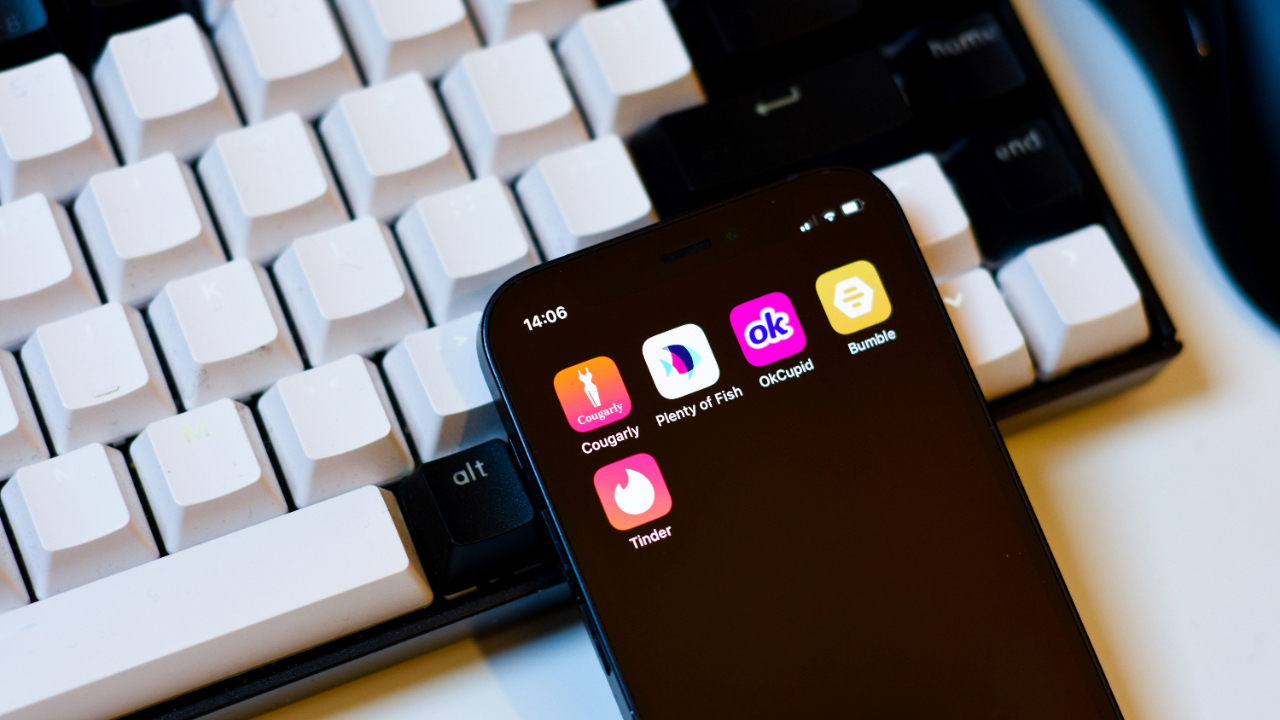
Dating apps sell us the promise of love at our fingertips, yet Flinders University research paints a starkly different picture: users frequently experience elevated anxiety and depression compared to people who've never downloaded these platforms. What's marketed as connection technology may actually be driving us toward emotional collapse.
But the damage runs deeper than simple fatigue from endless swiping. Consider the experience of being "ghosted", that sudden, unexplained vanishing act that's become standard dating app behavior. Research directly connects these experiences to diminished self-worth and amplified depressive symptoms. For heavy users, the pattern becomes predictable: emotional depletion and shrinking satisfaction with each passing month, what experts have termed "dating app burnout."
When Cultural Pressure Becomes a Crisis
Valentine's Day transforms these simmering issues into something more urgent. The relentless cultural messaging about coupledom, the avalanche of romantic imagery across every screen, and the gnawing fear of solitude combine into what mental health professionals call a pressure cooker environment.
"During the Valentine's Day period, we put additional pressure on ourselves to find connection," explains Dr. Hannah Nearney, a clinical psychiatrist and UK Medical Director at Flow Neuroscience. "In doing so, we can risk finding ourselves in relationships which are not fulfilling just to 'validate' ourselves."
The consequences can be severe. Research examining suicide risk around Valentine's Day uncovered disturbing trends: single women face 74% elevated risk in the days before Chinese Valentine's Day, while married women show 60-86% higher risk surrounding Western Valentine's Day. These aren't small statistical blips, they point to how powerfully unfulfilled romantic expectations and societal narratives about love can devastate mental health.
Caught in Relationship Limbo
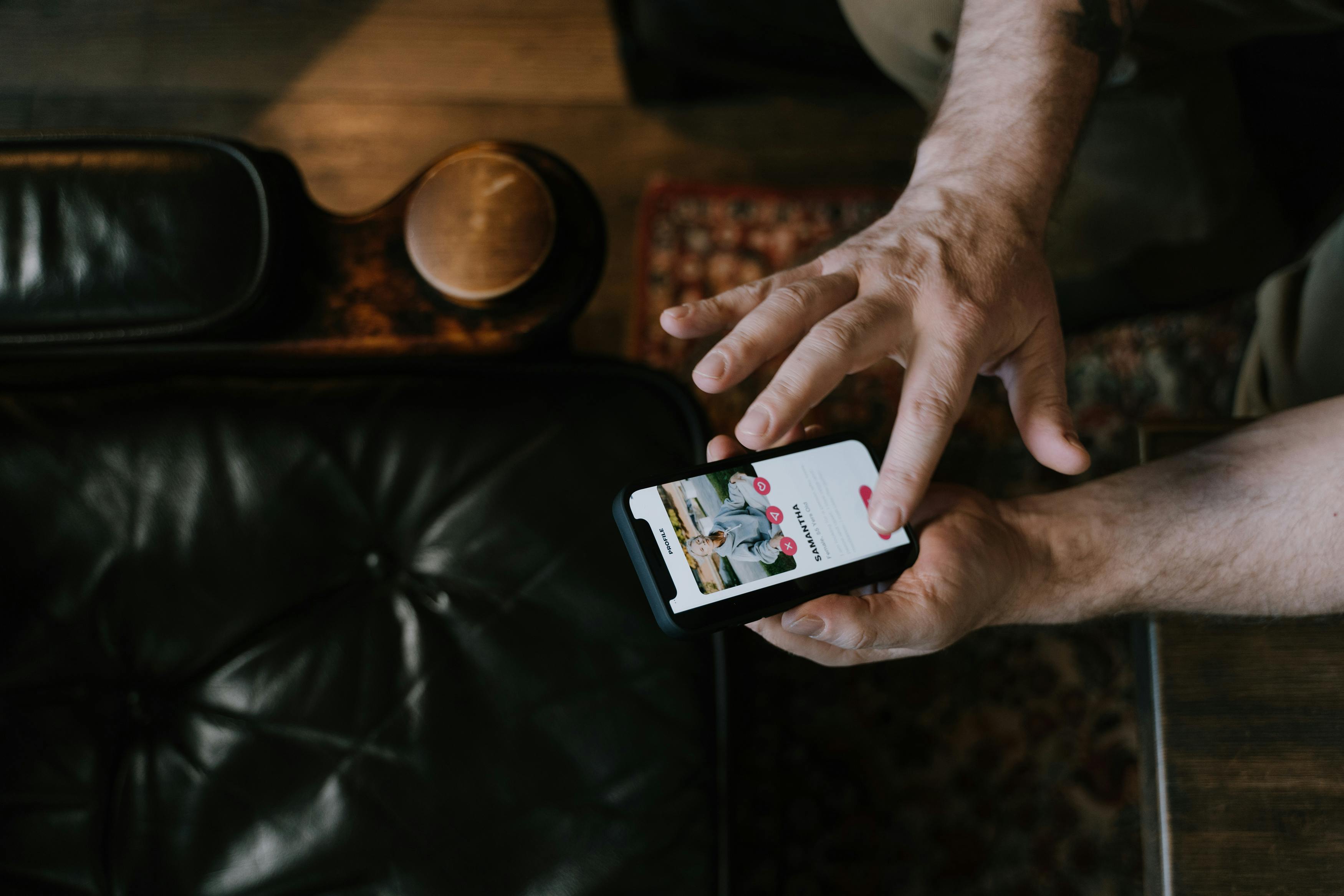
Here's where modern dating culture adds another layer of confusion: the rise of "situationships." These are the undefined, ambiguous connections where commitment remains perpetually out of reach while everyone involved keeps scanning for better options. YouGov found that half of Americans between 18 and 34 have been trapped in this relationship purgatory.
The appeal of flexibility quickly sours. That ambiguity leaves people suspended between statuses, not quite single, nowhere near partnered, just perpetually waiting in limbo.
What drives this pattern? A British Medical Journal study reveals that younger adults face mounting cultural pressure against being unpartnered, with dating apps positioned as the default solution. The research found people turn to these platforms seeking everything from committed partnerships to casual encounters, creating a marketplace of mixed intentions.
This environment breeds compulsive behavior. The BMJ study uncovered that 75% of dating app users cycle through periods of deleting and redownloading their apps—a pattern fueled by social expectations and correlated with both heightened depression and impulsive decision-making.
"Obsessive app use is not just about how often someone swipes; it shows up as an intrusive, distressing, and repetitive preoccupation which leads to losing control over our behaviour," says Dr. Nearney. "Repeatedly deleting and reinstalling apps, checking your phone compulsively, and feeling more anxious, low or impulsive the longer you use them is a strong tell. When people feel pressure not to be alone, apps can start to feel less like a tool for connection and more like something they rely on emotionally. This is the point at which our mental health can begin to suffer."
A Different Way Forward
So how do we break this cycle? Mental health experts suggest fundamentally rethinking our relationship with both Valentine's Day and dating technology.
"Valentine's Day can be reframed as a reminder that love doesn't only come from a partner or a match on an app, but can take the form of self-love and looking after your mental health," says Dr. Nearney. "This means practising self-compassion, staying connected to people in real life, and remembering that your worth isn't measured by dating app metrics. Investing in friendships, community, and everyday moments of connection is far more protective for well-being than digital validation alone."
Here are concrete steps to protect your mental health:
- Practice self-compassion. Speak to yourself the way you'd comfort a close friend going through difficulty. Your relationship status says nothing about your inherent worth as a person.
- Prioritize face-to-face connection. Deepen your friendships, strengthen family bonds, and engage with your community. Evidence consistently demonstrates that quality relationships, whether romantic or platonic, provide the foundation for psychological wellbeing and resilience.
- Establish firm app boundaries. Notice the warning signs: compulsive checking, growing distress, eroding self-esteem. When you spot these, step away. Try scheduling specific, limited windows for app use instead of constant availability.
- Demand clarity. Get specific about what you want from dating and communicate those expectations clearly. Vagueness and uncertainty fuel emotional turmoil.
- Cultivate a rich life offline. Make regular physical activity non-negotiable. Develop new capabilities. Express yourself creatively. Protect substantial screen-free time. These practices strengthen emotional regulation and mental sharpness regardless of your dating situation.
What Really Matters
Research leaves no doubt: genuine human connection profoundly shapes our mental health. But that connection doesn't require a romantic partner discovered through an algorithm. The depth and reliability of our relationships, across friendships, family, and community, matters infinitely more than our presence on dating apps.
This Valentine's Day, resist the urge to measure yourself by matches, swipes, or relationship status. Ask instead what genuinely sustains you. Sometimes the most transformative choice is investing deeply in yourself and the bonds you've already built, rather than seeking validation through a screen.
The most important relationship you'll ever nurture is the one with yourself.
If you're struggling with depression, anxiety, or thoughts of self-harm, please reach out to a mental health professional or contact a crisis helpline in your area. You deserve support.
Source: Information for this article was obtained from research published via Cision
When you're ready, Agape Match is here.

Your success in love starts here.
If you’re ready for a more intentional approach to dating, joining our database is the first step. We’ll get to know you beyond a profile and match with purpose.

Join the Upcoming Live Intensive
Join the intensive.
Work with a matchmaker.
Find your forever.