
How to Navigate Dating When You Have a Disability
Dating is hard for everyone.
But when you have a disability, there are extra layers of complexity that most people never have to think about.
When do you disclose? How do you disclose? What if they reject you because of it? What if they fetishize you because of it?
And underneath all of that: Am I worthy of love exactly as I am?
Let's talk about it.
The Question Everyone Asks: When Do I Tell Them?
If you have a non-apparent disability (something that isn't visible when you first meet someone) you're probably wondering:
When do I tell them?
Do you put it in your dating profile? Do you tell them on the first date? Do you wait until things get serious?
Here's the truth: It's a very personal decision.
There's no one right answer. But here are some things to consider:
If You Meet in Person
If you meet someone in person (through friends, at work, at a social event) they may already know.
If your disability is visible, there's no "disclosure" moment. They can see it. They're choosing to talk to you, ask you out, and get to know you anyway.
And that can actually feel safer.
You don't have to worry about building a connection with someone online only to have them disappear when you reveal something they didn't expect.
If You're Online Dating
Online dating with a disability is more complicated.
If your disability is visible and you include full-body photos, you're disclosing by default.
But if it's not immediately apparent, you have to decide:
- Do I mention it in my profile?
- Do I wait until we match and start talking?
- Do I wait until we've gone on a few dates?
Here's what matters most:
If you disclose and they react badly, they're not the one.
It will sting. It will hurt. It might feel like rejection on top of all the other rejection you've already faced.
But their reaction tells you everything you need to know.
The Safety Question: Why Some People Avoid Online Dating
There's another reason some people with disabilities choose not to online date:
Safety.
For people with physical disabilities, there are additional safety concerns that able-bodied people don't always think about:
- You can't run away if something goes wrong.
- You may be physically more vulnerable.
- There are people who specifically target people with disabilities.
Some people fetishize disabilities. Some people see vulnerability and take advantage of it.
And while this risk exists for everyone who dates online, for people with physical disabilities, the risk is heightened.
Meeting people in person (through friends, at social events, through shared activities) can feel safer because there's already a layer of vetting and social accountability.
The Fear of Being Fetishized
Here's something most people don't think about:
Some people are attracted to you BECAUSE of your disability, not in spite of it.
And that's not a compliment. That's fetishization.
There are people who seek out partners with disabilities because they have a fetish. They're not interested in you as a person. They're interested in your disability.
And that's dehumanizing.
So when you're dating, you're not just worried about rejection. You're also worried about:
- Are they genuinely interested in me?
- Or are they just interested in my disability?
- Are they going to pity me?
- Are they going to treat me like a child?
- Are they going to assume I'm incapable?
These are all valid concerns.
What Makes Someone Safe to Date
So what does a good partner look like when you have a disability?
They See You as a Whole Person
A good partner doesn't define you by your disability.
They see you as a complete, multifaceted person who happens to have a disability.
They're not pitying you. They're not "saving" you. They're not treating you like you're fragile.
They're just dating you.
They Have Empathy Without Pity
There's a difference between empathy and pity.
Empathy = "I understand that navigating the world with a disability presents challenges I don't face, and I want to support you."
Pity = "Oh, you poor thing. I feel so sorry for you."
Pity is patronizing. Empathy is respectful.
A good partner:
- Asks how they can support you
- Listens when you explain your experience
- Doesn't assume they know what you need
- Doesn't make assumptions about what you can or can't do
They're Willing to Learn
Not everyone has experience with disability. And that's okay.
What matters is: Are they willing to learn?
Do they ask questions respectfully? Do they listen to your answers? Do they adjust their behavior based on what you tell them?
Or do they dismiss your needs, minimize your experience, or get defensive when you advocate for yourself?
Friendship-First Approach
Here's something interesting:
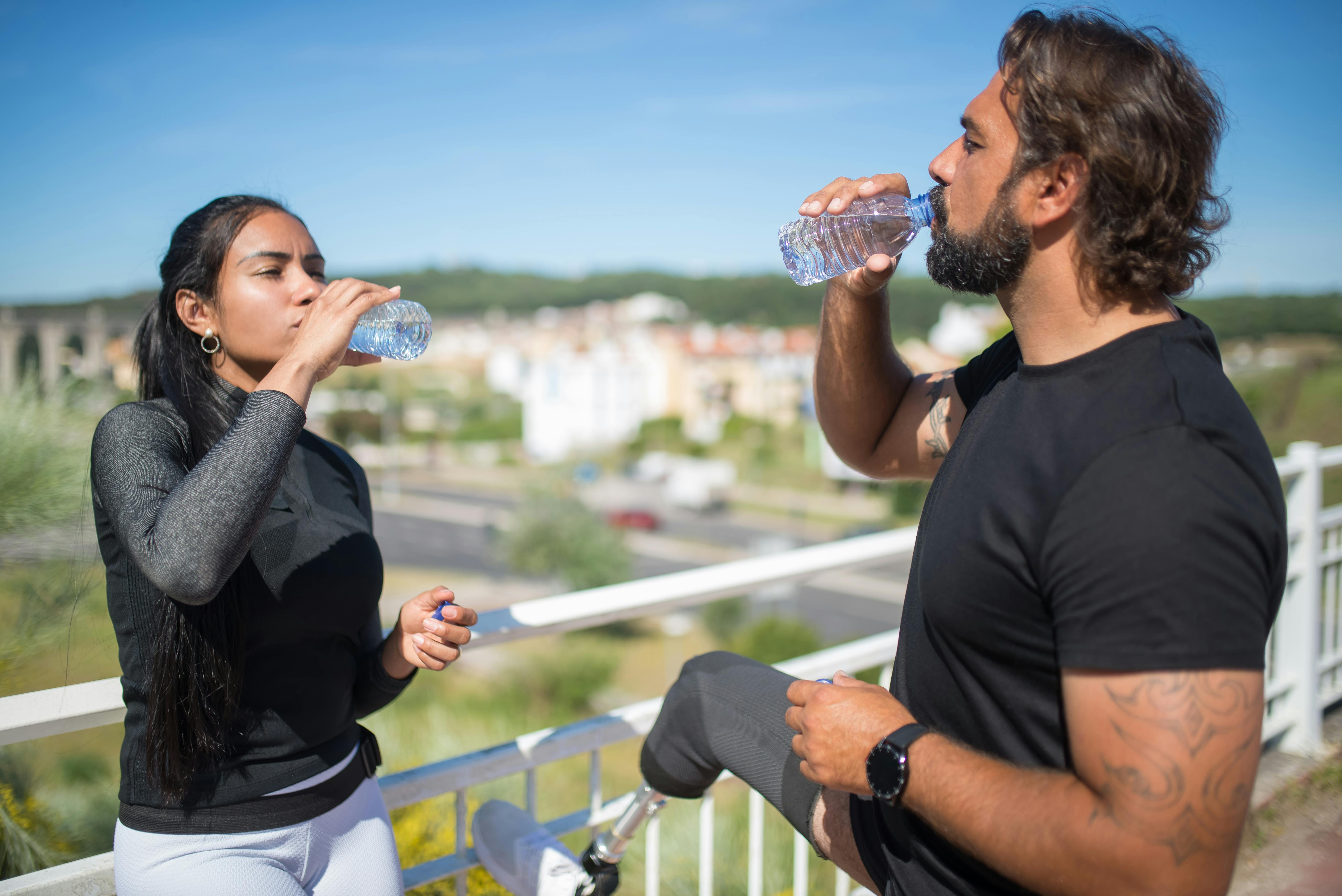
Many people with disabilities find that the best relationships start as friendships.
Why?
Because when you're friends first:
- They already know you have a disability
- They've already chosen to spend time with you
- They've already seen you as a full person, not just a disability
- There's already a foundation of trust and empathy
The pressure of "disclosure" doesn't exist because they already know.
And when the relationship shifts from friendship to romance, it's not about "accepting" your disability. It's just about two people who already care about each other deciding to take things to the next level.
The Inner Work: Accepting Yourself First
Here's the hard truth:
You can't expect someone else to fully accept you if you haven't fully accepted yourself.
If you're still ashamed of your disability, if you're still hiding it, if you're still apologizing for it, that energy shows up in how you date.
You might:
- Settle for people who treat you poorly because you don't think you deserve better
- Avoid asking for what you need because you don't want to be "too much"
- Stay surface-level in conversations because you're afraid of being vulnerable
- Put up emotional armor to protect yourself from rejection
And all of that prevents real intimacy.
How to Work on Self-Acceptance
This isn't a quick fix. It's ongoing work. But here are some places to start:
- Therapy or coaching
Working with a therapist or intimacy coach can help you:
- Dismantle shame around your disability
- Learn to advocate for yourself
- Practice vulnerability
- Understand what you actually want in a partner
- Find community
Connect with other people with disabilities. Read books, listen to podcasts, join support groups.
Seeing other people with disabilities living full, joyful, romantic lives reminds you that you can too.
- Practice vulnerability in small ways
If you're not used to being vulnerable, start small:
- Share something personal with a friend
- Ask for help when you need it
- Say what you actually want instead of just going along
Build the muscle of letting people see you.
Representation Matters
Here's something that often goes unnoticed:
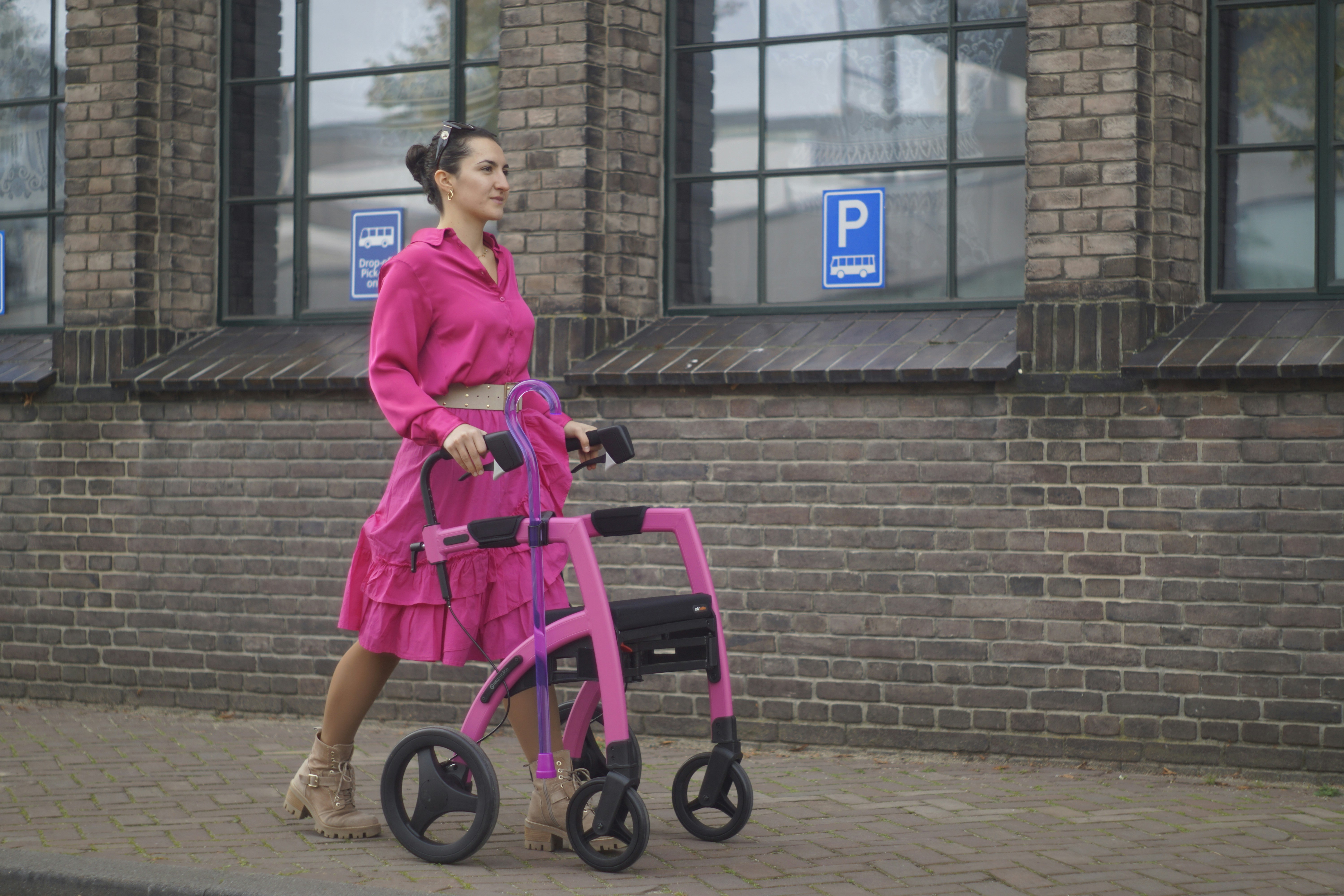
People with disabilities are largely invisible in media.
Turn on any TV show, any movie, any commercial. How many people with disabilities do you see?
Almost none.
And when you don't see yourself represented, it's easy to internalize the message that you don't belong in love stories.
But here's the thing: That's not true.
People with disabilities fall in love. They get married. They have fulfilling relationships.
You just don't see it represented.
And that lack of representation is damaging, not just to people with disabilities, but to everyone.
Because it perpetuates the idea that people with disabilities aren't desirable, aren't sexual, aren't worthy of love.
And that's a lie.
The Bottom Line
Dating with a disability is harder. There's no way around that.
You'll face rejection. You'll face ignorance. You'll face people who pity you or fetishize you or dismiss you.
But you'll also find people who see you.
People who value you for who you are. People who support you without patronizing you. People who love you, disability and all.
You are worthy of love exactly as you are.
Not in spite of your disability. Not because someone is "looking past it."
Just because you're you.
And the right person won't make you feel like you need to apologize for existing.
Looking for a partner who sees you as a whole person? Agape Match connects you with people who value authenticity, empathy, and real connection.
Your success in love starts here.
If you’re ready for a more intentional approach to dating, joining our database is the first step. We’ll get to know you beyond a profile and match with purpose.
Join the Upcoming Live Intensive
Join the intensive.
Work with a matchmaker.
Find your forever.